

Planning your wedding involves a lot of details, and your wedding invitation is one of the most important elements. It sets the tone for your big day and gives guests all the essential details. But how do you word it correctly?
Don’t worry—we’re here to help! In this guide, we’ll walk you through each part of a wedding invitation, ensuring nothing is overlooked.
Here’s what we’ll cover:

1. The Host Line
The host line appears at the very top of your wedding invitation and acknowledges who is hosting or paying for the wedding. Traditionally, this was the bride’s parents, but modern weddings allow for more flexibility depending on the situation.
Below are some examples.
Formal Examples
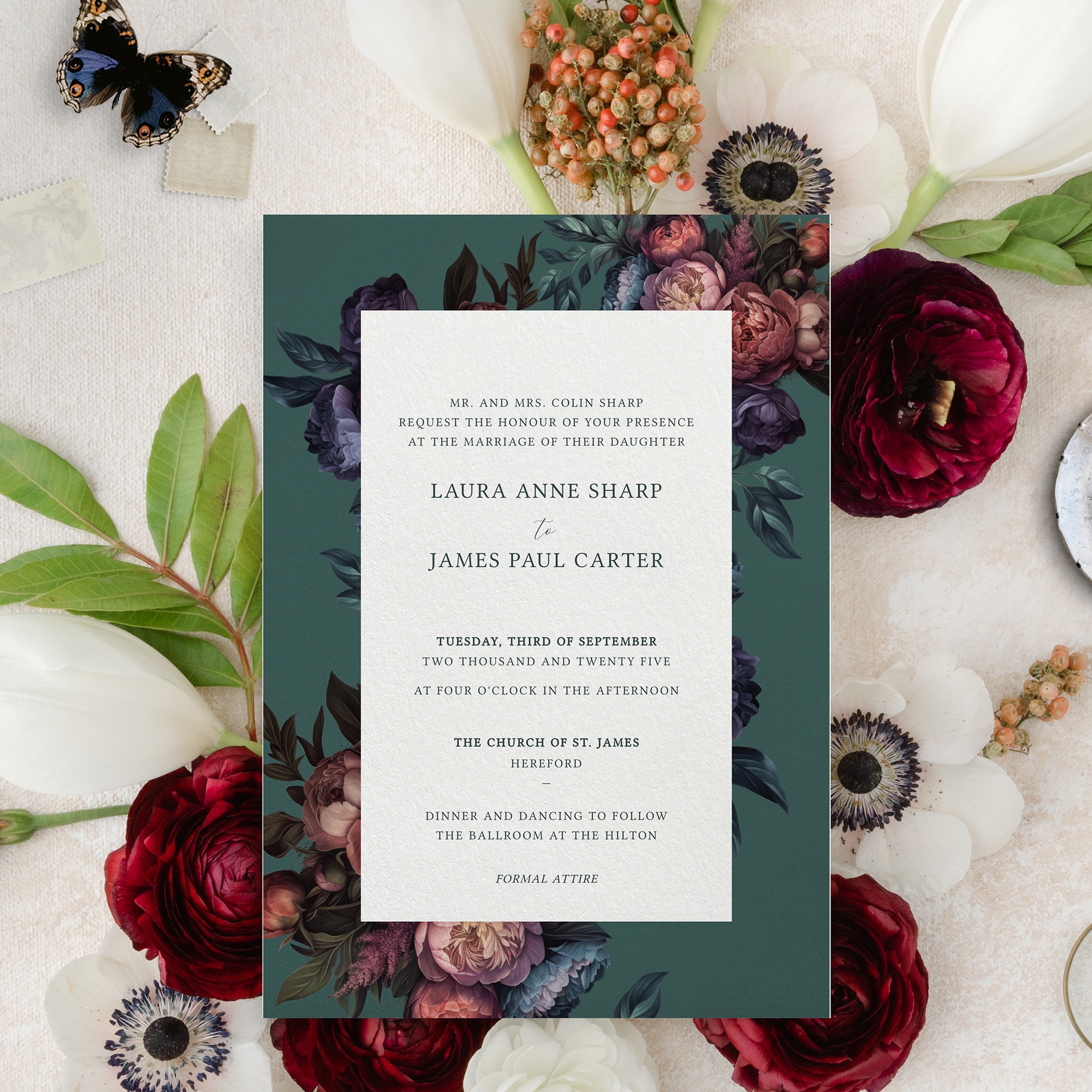
One Set of Parents Hosting (Traditional)
“Mr. and Mrs. John Smith request the honour of your presence at the marriage of their daughter, [Bride’s Name], to [Groom’s Name].”
Use this format when one set of parents is hosting the wedding, typically footing the bill.
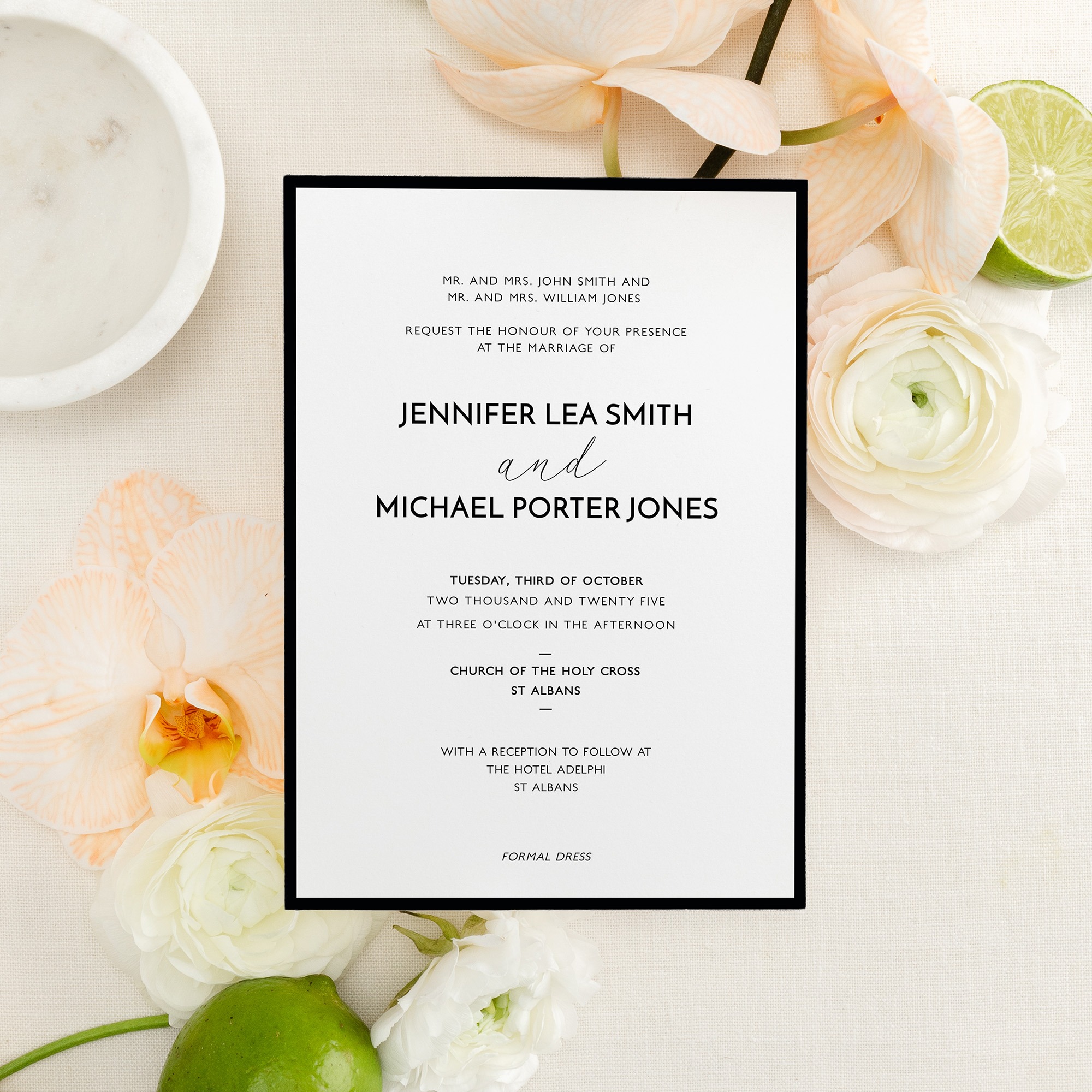
Both Sets of Parents Hosting
“Mr. and Mrs. John Smith and Mr. and Mrs. William Jones request the honour of your presence at the marriage of [Bride’s Name] to [Groom’s Name].”
This is ideal when both sets of parents are contributing financially or equally hosting the event.

Couple and Parents Hosting
“Together with their families, [Bride’s Name] and [Groom’s Name] request the pleasure of your company at their wedding.”
A great option for couples who want to honor their families without emphasizing one side.
Informal Examples

Couple Hosting
“Please join us to celebrate the wedding of [Bride’s Name] and [Groom’s Name]!”
Perfect for couples paying for the wedding themselves or for smaller, informal ceremonies.

Both Sets of Parents Hosting
“With love and joy, the families of [Bride’s Name] and [Groom’s Name] invite you to celebrate their wedding day.”
This wording keeps it casual while honoring both sides.

Blended Families or Divorced Parents Hosting
“Together with their families, [Bride’s Name] and [Groom’s Name] request the pleasure of your company.”
A wonderful way to acknowledge all parents and family members that are helping to host the wedding without listing everyone individually, especially for blended families or when relations might be complex.
This is the host line that we see the most commonly at Cotton Rose!
One Set of Parents Hosting
“Together with her parents, [Bride’s Name] invites you to celebrate her marriage to [Groom’s Name].”
Works well for an informal vibe while still recognizing the hosts.
When to Use Each Option
Formal Wording
Best for traditional or religious ceremonies, large-scale weddings, or when you want to maintain a sense of elegance and tradition.
Informal Wording
Suited for modern, casual, or destination weddings where the atmosphere is relaxed and the guest list is more intimate.
Blended Hosting
Ideal when both sides are contributing financially or hosting in equal parts, or if the couple wants to keep it simple and inclusive.
Ultimately, the host line should reflect your wedding style and who you’d like to honor. Whether you stick to tradition or opt for a modern twist, make sure the tone aligns with the rest of your invitation.
2. The Happy Couple
The happy couple’s names are, of course, the centerpiece of your wedding invitation. Here’s what you need to know about the etiquette and how to adjust for different scenarios:
Traditional Order: Bride's Name First
In traditional wedding etiquette, the bride’s name is listed before the groom’s. This custom originates from the historical significance of the bride’s family hosting the wedding, and the bride taking the lead in the invitation reflects that.
Example:
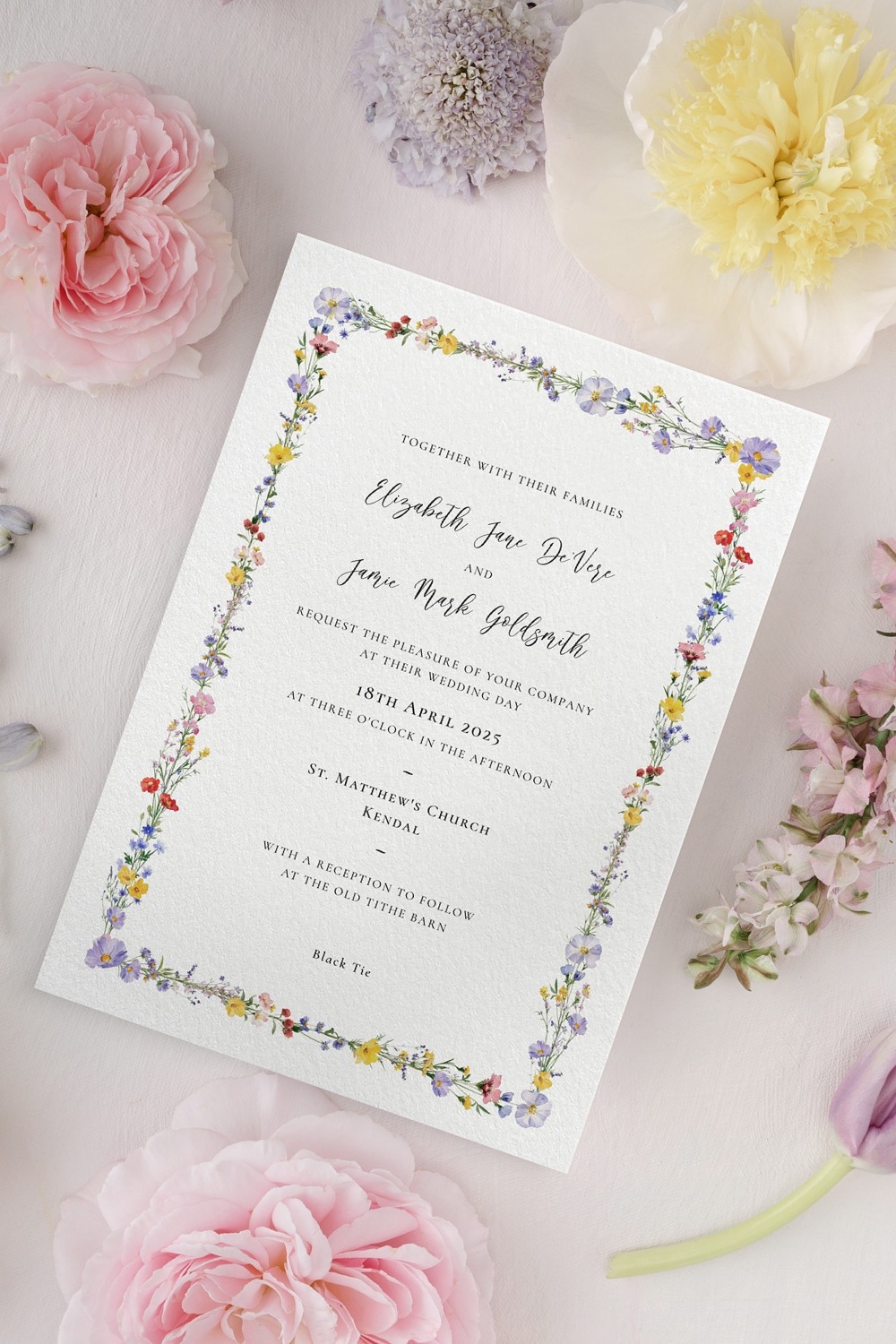
- “Elizabeth Jane DeVere and Jamie Mark Goldsmith”
This order is generally used regardless of who is hosting the wedding or the tone of the event, as it’s a long-standing tradition that many couples still embrace.
Same-Sex Couples
For same-sex couples, there’s no traditional rule dictating the order of names, so you have flexibility. The most common approaches are:
- Alphabetical Order:
- “Jamie Goldsmith and Alex Harper”
- This ensures fairness and avoids any perception of favoritism.
- Order of Preference:
- Couples can decide whose name they’d like to list first based on personal preference, style, or flow.
- Order of Known Recognition:
- In some cases, couples may choose to list the name of the person guests are more likely to know first.
Examples:
- “Jamie Mark Goldsmith and Alex James Harper”
- “Alex James Harper and Jamie Mark Goldsmith”
Tips for Flexibility
Formality: Use full names for formal invitations, but first names alone can work for casual or modern invites.
- Formal: “Elizabeth Jane DeVere and Jamie Mark Goldsmith”
- Informal: “Lizzie and Jamie”
Cohesion: You might want to choose a format and stick with it for consistency across all your wedding stationery, such as save-the-dates and RSVP cards.
3. The Request Line
The request line is one of the most important elements of your wedding invitation because it tells your guests what they’re being invited to and sets the tone for your event. Whether your wedding is a formal affair or a casual gathering, the wording of this line can help convey the level of formality, as well as the hosts’ and couple’s unique style.
What is the Request Line?
The request line is the part of the invitation that specifically invites your guests to attend the wedding ceremony. It traditionally begins with phrases like “request the honour of your presence” or “invite you to celebrate.” The exact wording often depends on who is hosting, the style of the wedding, and the formality.
Sometimes, the request line is combined with the host line, especially in more formal invitations. For example:
“Mr. and Mrs. John Smith request the honour of your presence at the marriage of their daughter…”
In these situations, you can omit the request line after the names of the couple!
Formal Request Line Wording:
For formal or traditional weddings, the wording is often elegant and structured. These phrases are best suited for religious ceremonies, large formal events, or when a more classic tone is desired.
Examples Where the Request is Part of the Host Line
“Request the honour of your presence at the marriage of their daughter…”
Traditionally used for ceremonies held in houses of worship (e.g., churches, synagogues, mosques) because “honour” reflects the sanctity of the event. In this case, the request line will generally be part of the host line at the top.
“Request the pleasure of your company at the wedding of their daughter…”
Often used for formal events held in non-religious venues, like banquet halls or outdoor settings. Again, the request line will generally be part of the host line at the top.

Examples as a Separate Request Line
If both sets of parents are hosting, the request line can look like this:
“Together with their families, [Bride’s Name] and [Groom’s Name] request the honour of your presence at their marriage”
“Together with their families, [Bride’s Name] and [Groom’s Name] request the pleasure of your company at their wedding”
Informal Request Line Wording:
For casual, modern, or destination weddings, the wording can be more relaxed and reflect the fun or personal vibe of the event.
Request as Part of the Host Line
As for the formal invitation wording examples, you might want to incude your request line either fully or partly in the host line at the top of the invitation:
“We’d love for you to join us to celebrate the marriage of [Couple’s Names].”
“Please come and celebrate as [Bride’s Name] and [Groom’s Name] tie the knot.”
“Join us for the wedding of [Bride’s Name] and [Groom’s Name]!”

With a Separate Request Line
“[Bride’s Name] and [Groom’s Name] invite you to share in the joy of their wedding day.”
“Together with their families, [Bride’s Name] and [Groom’s Name] request the pleasure of your company at their wedding.”
“Alongside with their families, [Bride’s Name] and [Groom’s Name] would love that you join them on their wedding day!”
When to Include the Request in the Host Line
In formal invitations, the host line often incorporates the request. This is common when parents or families are hosting, and it follows a more traditional structure. For example:
- “Mr. and Mrs. John Smith request the honour of your presence at the marriage of their daughter…”
However, for more modern or casual weddings, it’s common to separate the host line and request line, allowing for a more creative and flexible approach.
How to Choose the Right Wording
— Match the Tone of the Wedding: Formal language is ideal for black-tie events, while informal phrasing works well for laid-back celebrations or elopements.
— Consider the Venue: Use “request the honour of your presence” for religious ceremonies and “request the pleasure of your company” for non-religious venues.
— Personalize When Appropriate: Casual weddings allow for more playful or unique wording that reflects your personalities as a couple.
4. Date and Time
The date and time section is a key part of your invitation—it tells guests exactly when your wedding will take place. The level of formality in your event will determine how this information is presented.
Formal Wording
For formal weddings, it’s traditional to spell out the date, time, and even numbers (like the year). This style adds elegance and is perfect for black-tie or religious ceremonies.
Examples:
“Saturday, the eighteenth of April, two thousand twenty-five, at three o’clock in the afternoon”
or
“Sunday, the twenty-second of October, two thousand twenty-six, at half past two in the afternoon”
Spelling out the date and time in full emphasizes the grandeur of the occasion and should always be used for formal or traditional invitations.
Informal Wording
For casual or modern weddings, you can simplify the date and time format. Numerals are acceptable, and you can forgo the extra detail.
Examples:
“Saturday, April 18, 2025, at 3:00 PM”
or
“10/22/2026 at 2:30 PM”
Shortened formats are perfect for casual celebrations, destination weddings, or smaller events where the focus is less on formality and more on convenience.
5. The Venue
The venue section lets your guests know where to gather to celebrate your wedding. The way you write the venue details depends on the type of wedding and location.
Formal Wording
For formal events, include the full name of the venue and its location. Religious venues may also include titles like “The Church of” or “The Synagogue of.”
Examples:
“The Church of St. Matthew, Kendal”
or
“The Grand Ballroom at The Ritz Hotel, London”
When the venue is well-known (e.g., a local landmark or religious venue), you can omit the street address. However, for less-known venues, include the full address.
Example with Address:
“The Wisteria Gardens, 123 Rose Lane, Kendal, Cumbria”
Informal Wording
For casual weddings, you can keep it simple and conversational. This might mean listing just the venue name or a description of the space.
Examples:
“At the Old Tithe Barn, Kendal”
or
“In our backyard, 123 Rose Lane, Kendal”
For destination weddings, you might include a note about the location:
“Join us for a seaside ceremony at Sunset Beach, Brighton.”
6. The Reception
The reception details are often included in a separate line or as part of the venue information. These details help your guests plan for the celebration following the ceremony.
Formal Wording
For formal events, keep the wording elegant and straightforward. If the reception is at a different venue, include the full location details.
Examples:
“A reception will follow at The Old Tithe Barn, Kendal.”
or
“Dinner and dancing to follow at The Grand Ballroom, The Ritz Hotel.”
For religious ceremonies, it’s common to say:
“A reception will immediately follow the ceremony.”
Informal Wording
Casual weddings allow for more fun and relaxed wording.
Examples:
“Dinner and dancing to follow at The Barn.”
or
“Let’s party! Join us after the ceremony at the Smith Family Farm.”
If the reception is at the same location as the ceremony, a simple note like “Reception to follow” works well.
7. Further Details: RSVP or Dress Code
The RSVP and dress code sections provide your guests with the final, important details they’ll need to prepare for your big day.
RSVP Details
Your RSVP section tells guests how and when to respond.
Formal RSVP
For traditional weddings, include a separate RSVP card or formal request on the invitation.
“The favour of your reply is requested by the first of March, two thousand twenty-five.”
or
“Please RSVP by March 1, 2025 to [address].”
A lot of the Cotton Rose invitation templates have space on the reverse for your RSVP information or a QR code – but if you are printing single sided you can add a short line for your RSVP information to the front of the card!

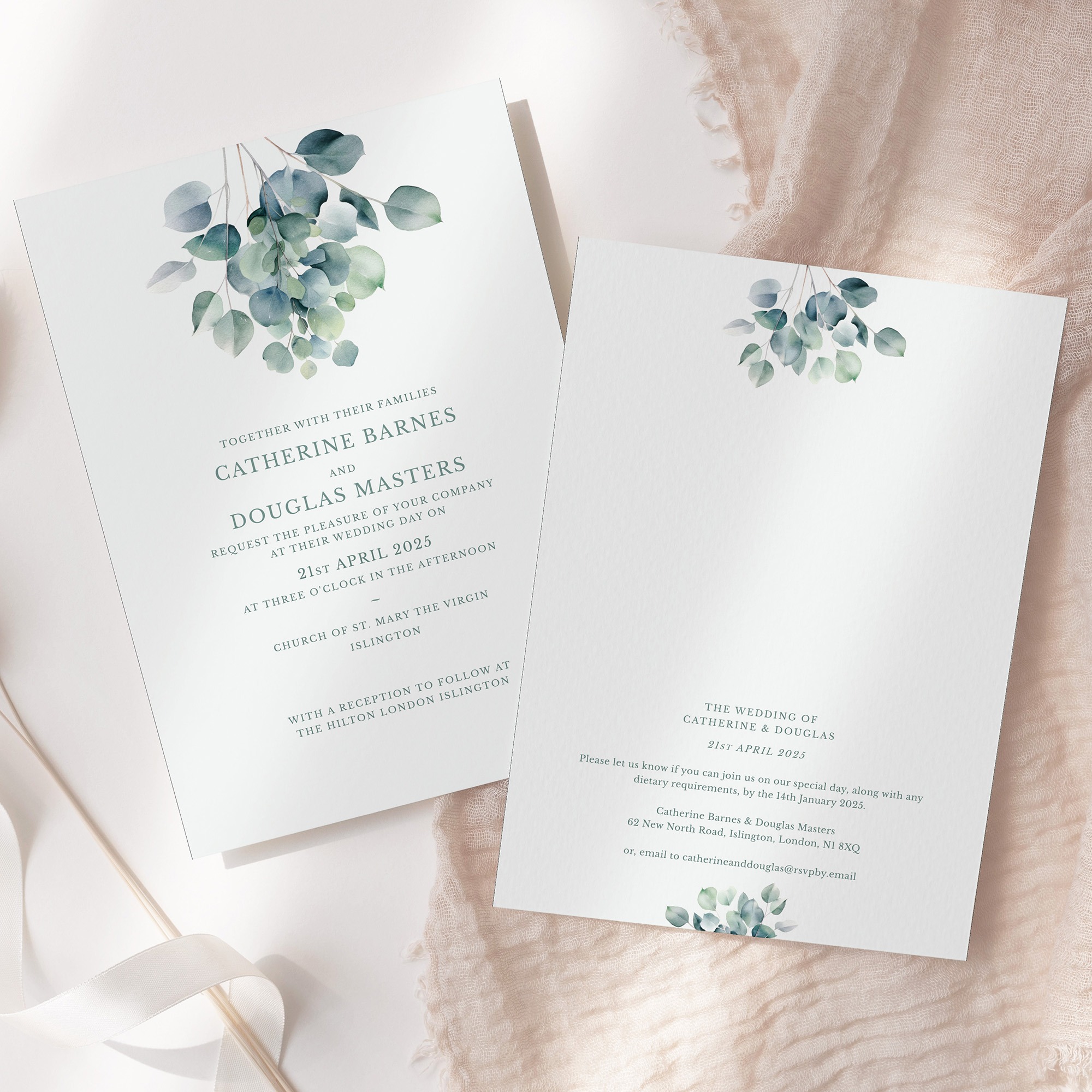
Informal RSVP
For casual weddings, the RSVP details can be included directly on the invitation or through digital methods.
“RSVP by March 1st to [email address or phone number].”
or
“Please let us know if you can make it! Text [Phone Number].”
For digital wedding rsvps, include a link or QR code to your RSVP website:
“Kindly RSVP online at [website link].”
or you could add a QR code:
“Please scan the QR to RSVP [QR code] or visit [website link].”
Dress Code
Dress code guidance is optional but helpful, especially for formal or themed weddings. Place it at the bottom of the invitation or on the RSVP card.
Dress Code Wording Examples
Formal Wording:
- “Black Tie”
- “Formal Attire”
- “Black Tie Optional”
Informal Wording:
- “Cocktail Attire”
- “Dress Casual”
- “Summer Chic (Floral dresses and light suits encouraged!)”
For themed weddings, get creative:
- “Vintage Glam Attire” or “Rustic Chic Dress Code.”
Closing Thoughts
Your wedding invitation is more than just a piece of stationery—it’s the first glimpse your guests will have of your special day. From the host line to the RSVP details, every element plays a role in setting the tone and ensuring your guests feel informed and excited to celebrate with you. Whether you prefer formal, traditional wording or a relaxed, modern vibe, your invitations should reflect your unique style and the spirit of your celebration.
By carefully considering each section—date and time, venue, reception, and more—you can create an invitation that’s not only beautiful but also clear and practical. Remember, your invitations are a reflection of your personality as a couple, so don’t be afraid to add personal touches that make them truly yours.
If you’re feeling inspired to create your perfect wedding invitations, we’re here to help! Our collection of customizable designs makes it easy to find a style that suits your vision, whether you’re planning a grand, formal event or an intimate, casual gathering.
Ready to Start Designing?
Browse our stunning wedding invitation templates today and find the perfect fit for your special day. Each design is fully customizable, so you can tailor it to match your wedding’s theme, colors, and tone.
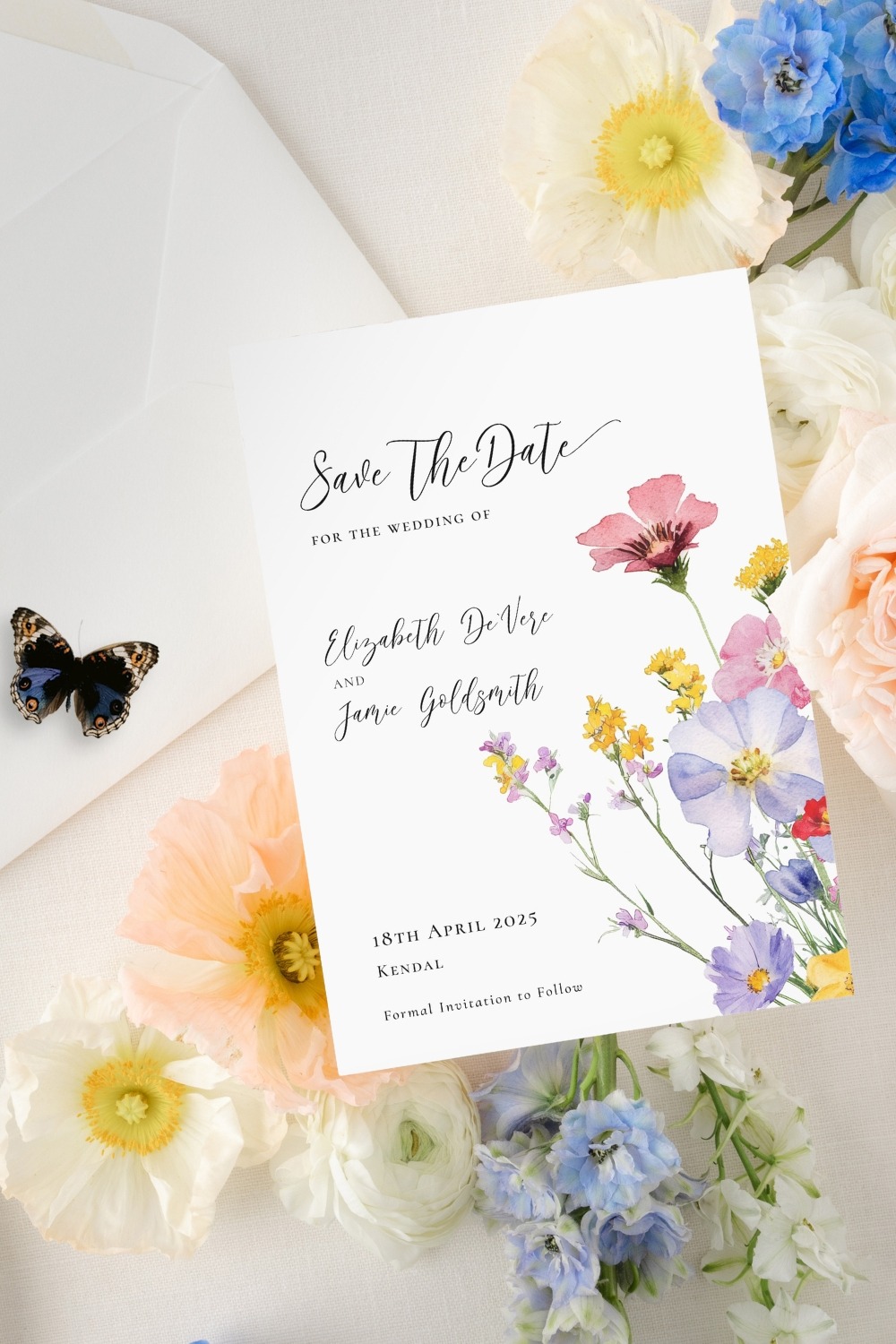
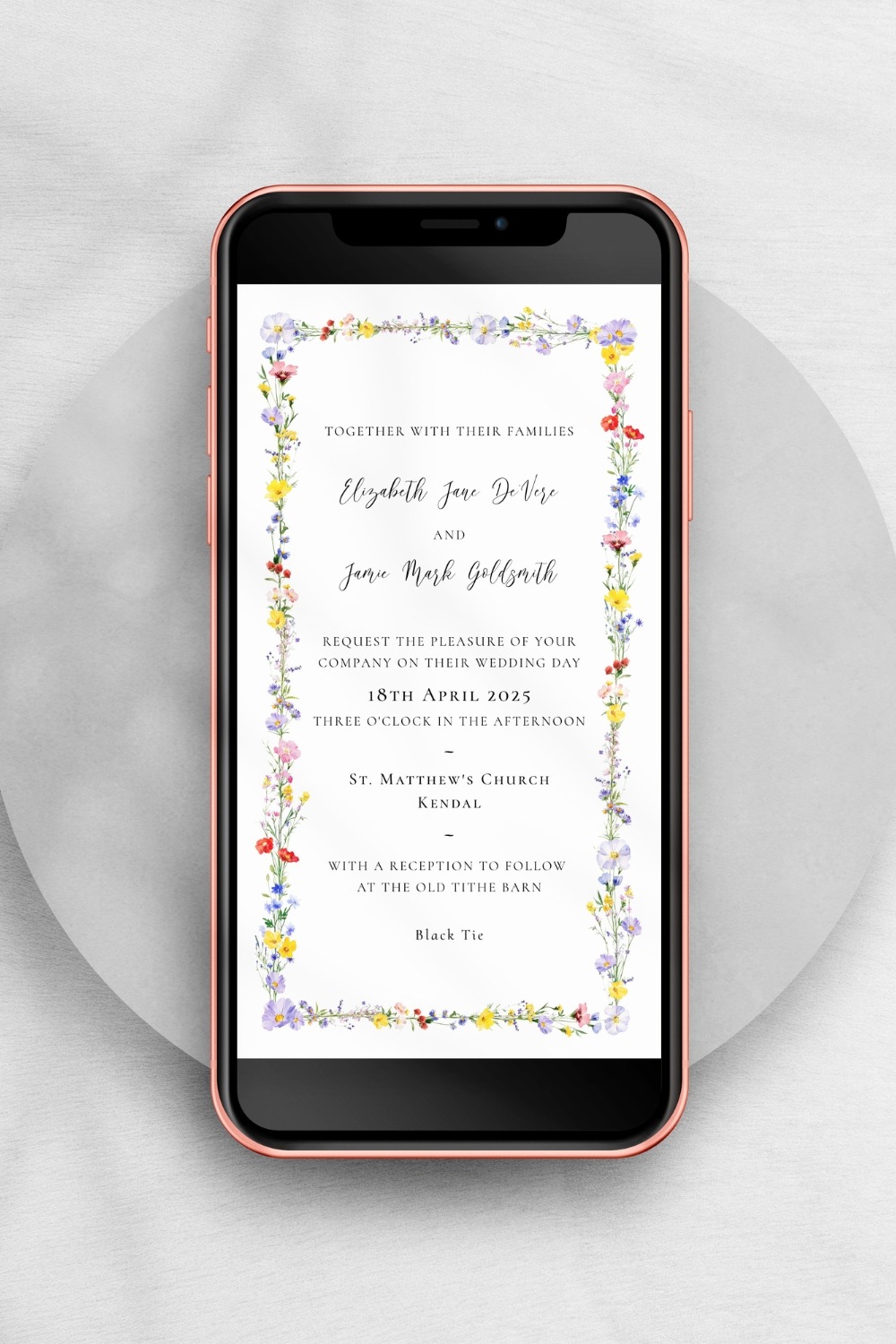
If you’re ready to explore stunning, customizable wedding templates, check out our collection here: cottonrosepaperco.etsy.com.